


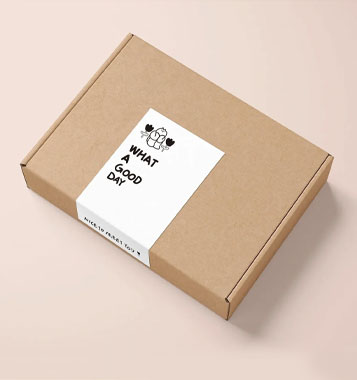
Many packaging buyers encounter a tricky and frustrating dilemma when sourcing copperplate paper adhesive labels. Budget-friendly Copperplate Paper Label options often suffer from smudging and color fading during shipping and storage, while premium high-gloss materials bring extra costs that squeeze tight profit margins. Surprisingly, a mere 15% difference in raw material pricing can completely transform a product’s shelf performance and market competitiveness.
Most label quality issues are not caused by poor printing techniques, but by mismatches between paper face stock and actual application environments. Most buyers only focus on unit pricing while overlooking critical factors including ink absorption efficiency, humidity resistance, and long-term shelf stability. These overlooked details commonly result in dull printed colors, frayed label edges, and unreadable barcodes. With more than 15 years of professional label manufacturing experience, Shengcai summarizes practical and data-driven selection strategies for the two mainstream copperplate face stocks, helping brands balance budget control and brand presentation perfectly.
1. Hidden Pitfalls of Mismatched Copperplate Face Stock
Every labeling material has unique performance limitations. Choosing inappropriate face stock creates invisible and continuous costs throughout storage, transportation and retail display, which greatly undermines packaging value.
1.1 Regular Copperplate Paper: The Low-Cost Selection Trap
For high-volume production runs, regular copperplate paper is widely chosen to cut material costs. This material features a thin coating layer and loose surface pores, delivering stable performance only in dry and indoor storage conditions. Once exposed to humid environments or drastic temperature changes, the paper easily absorbs moisture and fine dust particles in the air.
This absorption leads to faded, grayish printed graphics that ruin elaborate packaging designs. Besides, regular copperplate paper lacks strong scratch resistance. Rough handling during stacking and transportation causes surface scuffs and frayed edges, making finished products look low-end and reducing consumers’ purchase willingness instantly.
1.2 High-Gloss Copperplate Paper: Over-Engineering for Low-Margin Products
Manufactured with professional cast-coated technology, high-gloss copperplate paper delivers mirror-like gloss and excellent color reproduction, making it a top choice for premium packaging labels. However, it is not a one-size-fits-all solution for every product line.
Applying this premium face stock to low-profit, fast-turnover daily commodities causes obvious performance redundancy and unnecessary packaging cost increases. Meanwhile, the strong mirror reflection of high-gloss material may conflict with minimalist and vintage brand aesthetics, breaking the overall visual consistency of product packaging.
2. Technical Performance Comparison: Regular vs. High-Gloss Copperplate Paper
Based on the latest 2026 industrial printing standards, we compare custom copperplate paper labels in six core performance dimensions, providing intuitive data support for accurate purchasing decisions.
| Performance Metric | Regular Copperplate Paper | High-Gloss Copperplate Paper | Buyer Selection Value |
|---|---|---|---|
| Surface Gloss | 20%-30% soft semi-matte finish | ≥85% mirror-like high gloss | Determines shelf visibility and premium product texture |
| Color Accuracy | Mild and soft tones, fine gradient dots prone to blurring | 1:1 precise dot restoration, high color saturation & clear layers | Guarantees copperplate paper label printing compatibility and brand visual consistency |
| Weather Resistance | Stable only in dry indoor environments; prone to graying in humidity | Dense coating with excellent moisture, scratch and temperature resistance | Maintains intact label performance in full-link circulation |
| Print Compatibility | Standard offset, flexo printing and simple varnishing | Supports reverse UV, foil stamping, embossing and heavy ink finishing | Defines the upper limit of label design and craftsmanship |
| Production Cost | Baseline market price with no material premium | 15%-25% higher in material and processing costs | Affects overall ROI of bulk packaging procurement |
| Best Use Cases | Mass FMCG goods, shipping cartons, minimalist packaging | Premium cosmetics, wine, 3C electronics and luxury gifts | Avoids material waste and insufficient packaging texture |
3. Scenario-Based Selection Framework: Balance Texture and Cost Performance
The optimal cost-effective copperplate paper label customization relies on scenario matching rather than blind material comparison. Below is a practical selection standard summarized from mass production experience.
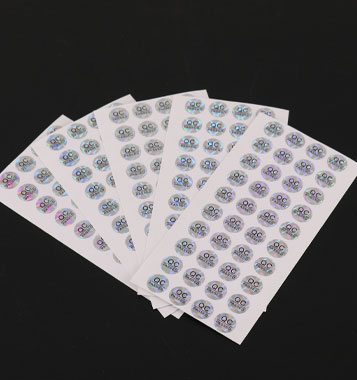
Best Scenarios for Regular Copperplate Paper
- High-volume & low-margin products: Daily care products, snacks and condiments that require strict cost control for mass production
- Warehouse & logistics labels: Outer carton marks, inventory tags and product specification labels focused on practicality
- Minimalist & retro packaging: Brands with low-key, natural and vintage positioning that require non-reflective soft surface texture
Optimized solution: Match regular copperplate paper with protective varnish or lamination to enhance moisture and scratch resistance with minimal extra cost.
Best Scenarios for High-Gloss Copperplate Paper
- Premium aesthetic products: Skincare, perfume, wine and luxury gift boxes that rely on label texture to boost brand premium
- High-competition retail products: Shelf-displayed goods that need strong visual contrast to attract consumer attention
- High-precision craft labels: Custom designs with foil stamping, embossing and reverse UV textures that require ultra-smooth paper base
4. FAQ for Packaging Buyers
We sort out the most frequently asked questions from global clients with verified practical solutions to solve common selection confusion.
Q1: How to get a glossy label finish without purchasing high-gloss copperplate paper?
A1: You can achieve ideal glossy effects with cost-saving methods. Take regular copperplate paper as the base and apply full-surface gloss varnish or film lamination. This method creates a sleek and shiny visual effect without the premium cost of cast-coated high-gloss paper, perfect for medium and small-batch orders.
Q2: Is it acceptable to mix regular and high-gloss labels in one product line?
A2″>Mixing use is not recommended. The two papers have obvious differences in ink absorption, light reflectivity and whiteness. Mixed application causes disjointed shelf visuals, confuses consumers and triggers doubts about product quality instability, damaging unified brand image.
Q3: How to improve the durability of regular copperplate labels in humid storage?
A3″>Post-printing lamination is the most efficient solution. The ultra-thin protective film isolates moisture and dust erosion, fundamentally solving ink fading and edge fraying problems. It adapts to humid storage and long-distance transportation without upgrading to expensive premium paper.
Q4: Does high-gloss paper reflection cause barcode scanning failures?
A4″>This issue can be completely avoided via professional craftsmanship. Pure mirror high gloss may interfere with scanning under strong light. We can apply reverse UV matte finishing on barcode areas while retaining the overall high-gloss texture, ensuring fast and accurate scanning for warehouse and checkout scenarios.
The core of reliable Copperplate Paper Label selection is to balance storage conditions, design requirements and budget limits. If you are unsure about the most suitable face stock for your products, feel free to contact Shengcai. We provide free material samples, professional printing tests and one-on-one engineering evaluation to customize exclusive cost-effective label solutions for your packaging.