
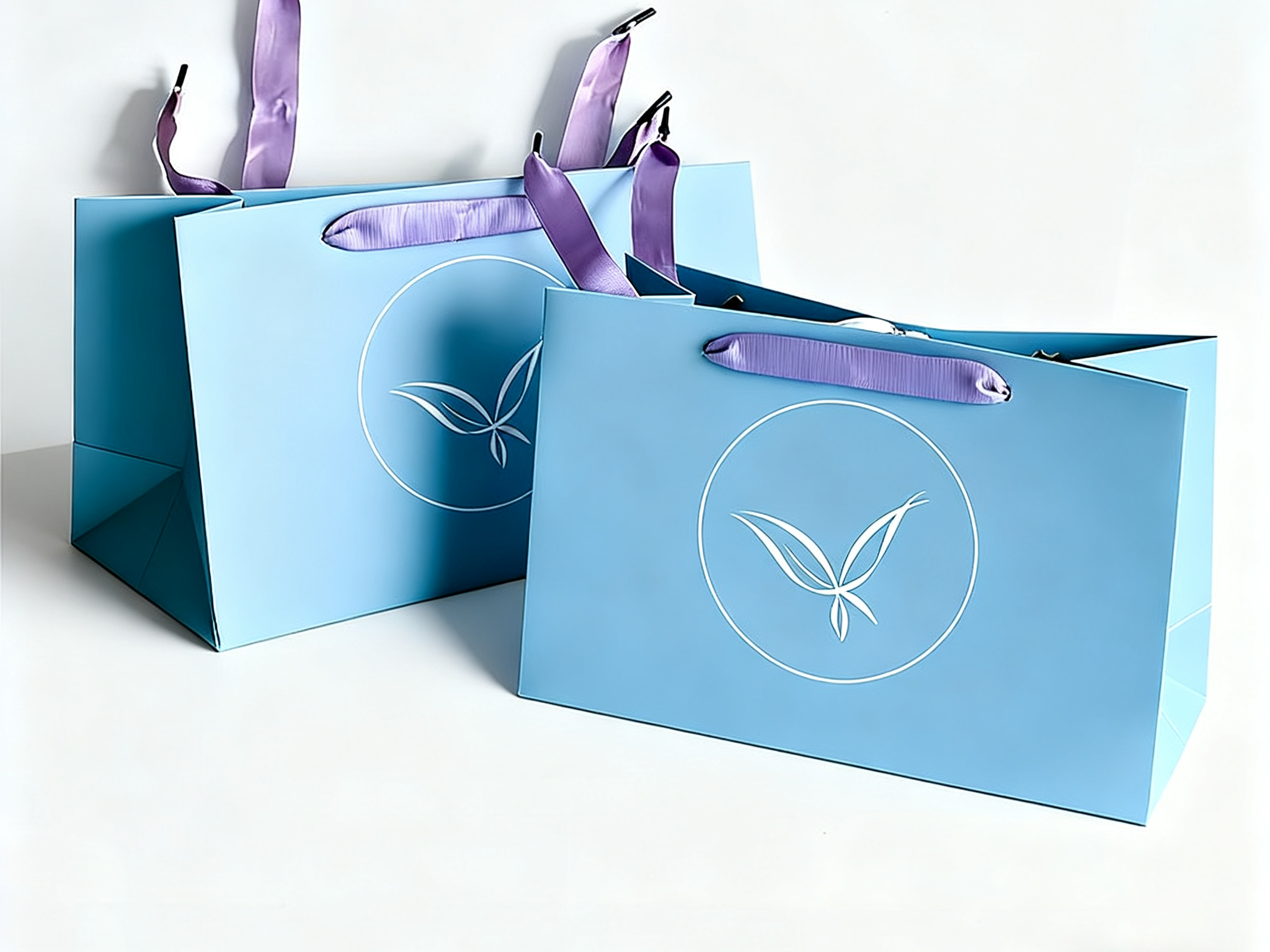
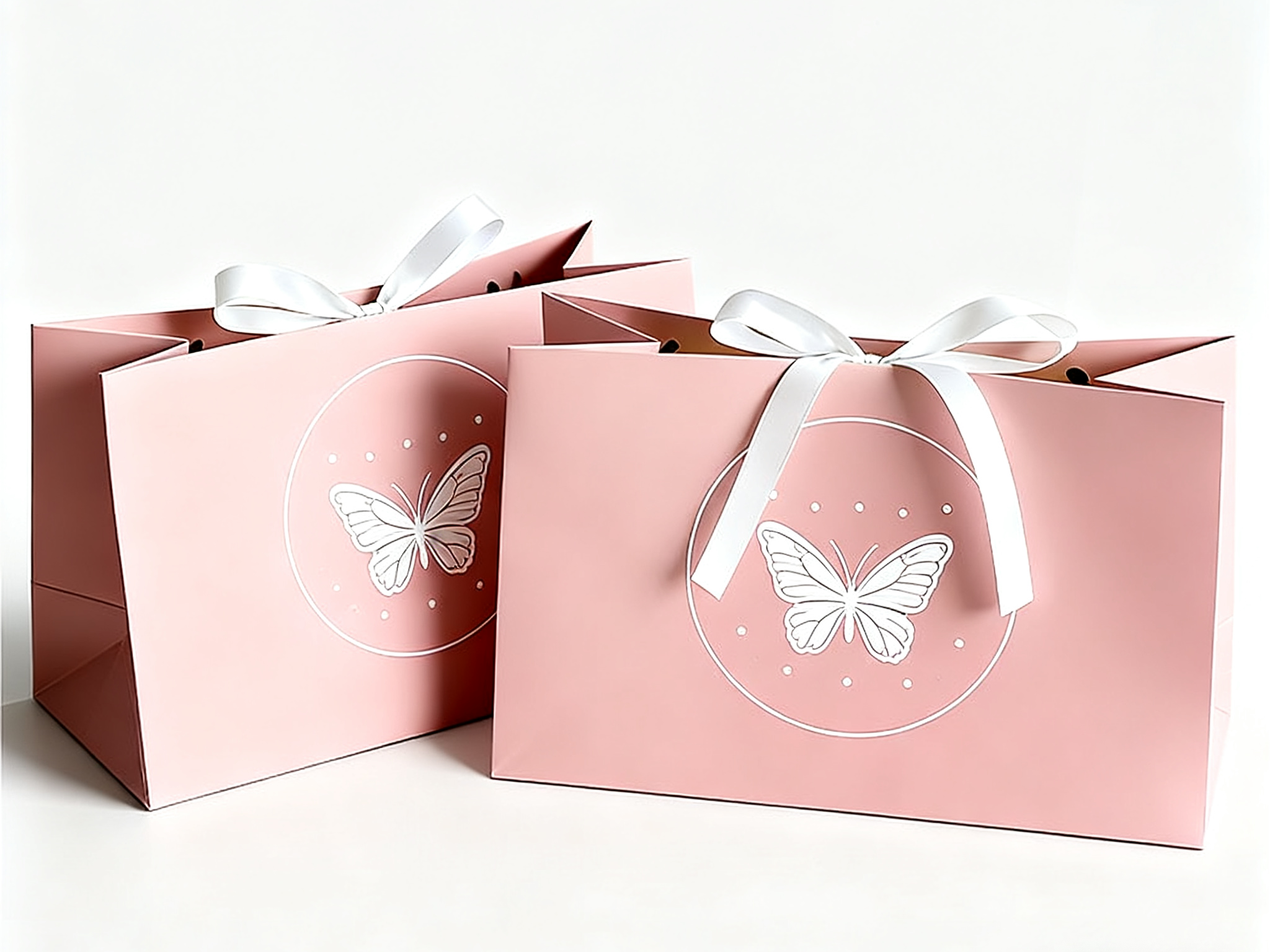
When buying gifts or shopping in stores, we all face the choice of tote bags—some people think “as long as it can hold things, it’s fine,” while others worry “is it good-looking? Can I reuse it?” Actually, tote bags are more than just “carriers”:
For example, when giving gifts, holding a gift box alone can be slippery. A tote bag not only keeps it secure but also adds a sense of ceremony. Like giving mooncakes during Mid-Autumn Festival or specialty products during Chinese New Year, a tote bag printed with festive patterns will make the recipient say “it feels more thoughtful.” For daily use, young people no longer see tote bags as “disposable packaging”—they use them to carry snacks from the supermarket, notebooks for commuting, or even match them with hoodies as “lightweight bags.” A tote bag with a niche pattern can also show personality. More importantly, it’s eco-friendly. Now people try to use fewer plastic bags, and a sturdy tote bag can be reused a dozen times. If it has a favorite brand logo, carrying it out can inadvertently “advertise” the brand—that’s why many businesses match tote bags with gift boxes.
Many people don’t know which material to choose for tote bags, especially when matching them with gift boxes, fearing that the wrong choice will look cheap. This 2025 latest material comparison table will help you choose based on your needs:
| Material | Key Features | Load Capacity | Suitable Scenarios | 2025 Usage Rate |
|---|---|---|---|---|
| White Cardboard | Smooth touch, clear printing | 2.5-4kg | High-end gift boxes (jewelry, watches) | 35% |
| Kraft Paper | Affordable, durable, vintage look | 1.5-3kg | Daily gift boxes (food, stationery) | 28% |
| Coated Paper (Laminated) | Glossy, moisture-proof, vivid colors | 2-3.5kg | Mid-range gift boxes (cosmetics, specialties) | 22% |
| Non-woven Fabric | Lightweight, washable, foldable | 1-2.5kg | Portable gift boxes (samples, souvenirs) | 15% |
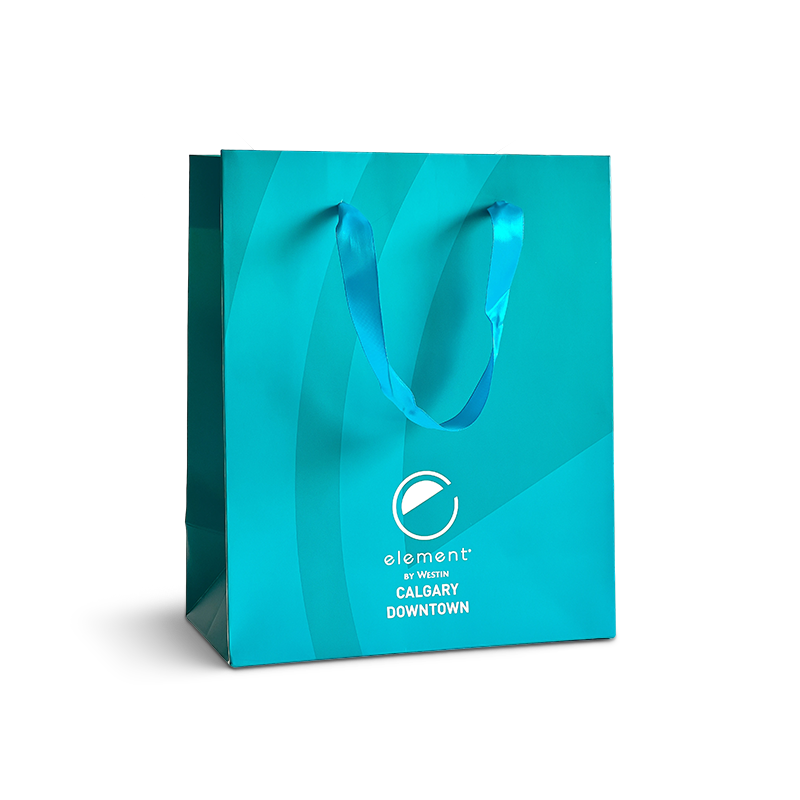
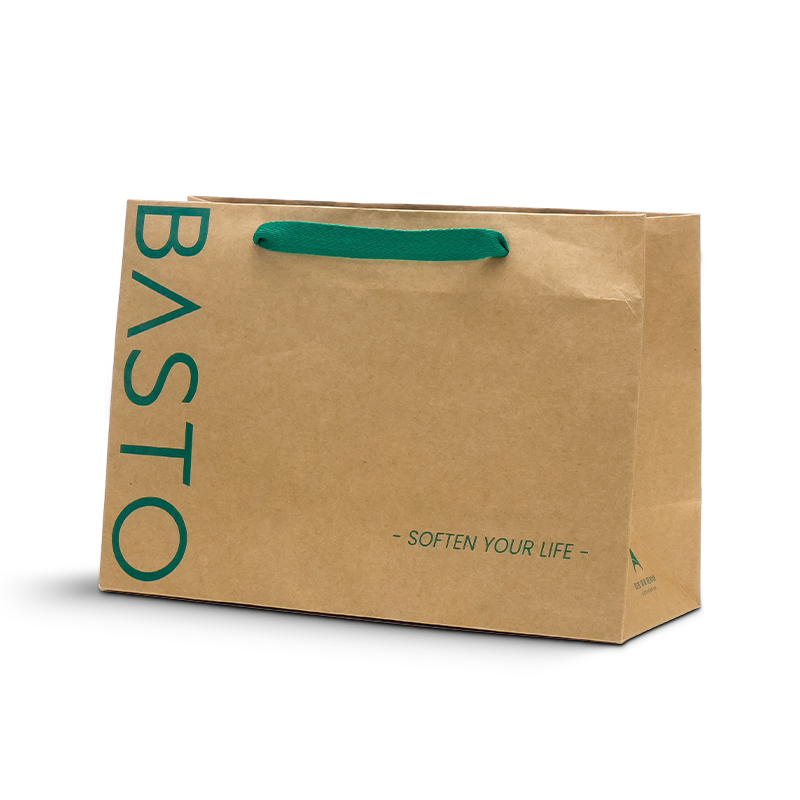
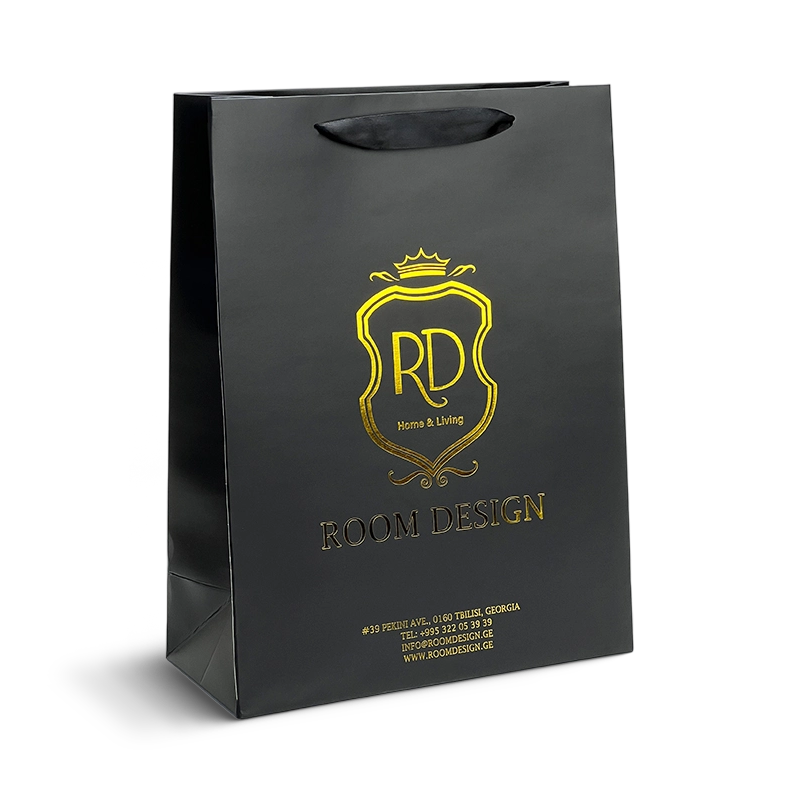
People who work with packaging know that tote bag design doesn’t need to be fancy—simple and practical is more popular, especially when matching gift boxes:
Q1: When matching a tote bag with a gift box, how to choose the size to avoid awkwardness?
A1: No need to be precise to the millimeter—1-2 cm larger than the gift box is perfect. For example, if the gift box is 20×15×8 cm, a 22×17×10 cm tote bag can hold it easily without looking empty and wobbly.
Q2: If I want to print a logo on the tote bag, will there be an extra charge? Will it delay the pickup time?
A2: Most businesses offer free printing for simple logos (like single-color text) if you choose the tote bag with the gift box. For complex designs (like color illustrations), there may be a small printing fee, but it won’t delay the time—usually, it’s ready with the gift box, no extra waiting.
Q3: Will a tote bag break easily if reused? Which material is the most durable?
A3: Choose the right material and it will last! Non-woven fabric and laminated coated paper tote bags are the most durable. Carrying 1.5-2.5 kg of items daily, they can be used a dozen times. Someone I know uses a non-woven tote bag for commuting items—it’s still intact after half a year, much more practical than plastic bags.
Matching a tote bag with a gift box isn’t “mandatory,” but it can add value. For example, if a customer buys a gift box for a friend, a tote bag makes it easy to carry, and they may choose the same store next time they buy a gift. For businesses, matching a tote bag with a gift box shows thoughtfulness—when customers carry it out, people passing by may be curious “where did you buy it”—it’s like a low-cost promotion. So whether you’re buying or selling, paying a little attention to tote bag matching can save a lot of trouble.
Ever felt tired of the endless square boxes when browsi […]
In the field of printing,four-color printing andspot co […]
If you’re looking to make a custom gift box that people […]
In high-end packaging procurement and production, ink s […]
Related links:
About us Company News Industry Dynamics Cardboard box Corrugated box Cylindrical box Envelope Gift box Label Paper bag SSL 100% Secure Transactions
