


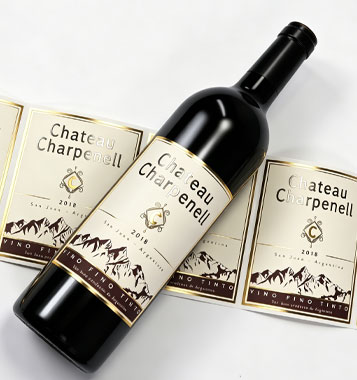
High-performing wine and beverage labels balance premium visual appeal and tough real-world durability for cold storage and ice bucket use. Most beverage producers struggle with common label failures: wrinkling ink, peeling edges, and full detachment after long condensation exposure or ice water soaking. These issues ruin product presentation and hurt consumer trust in premium drink lines. At Shengcai, we engineer custom pearl-coated paper labels and textured paper wine labels to fix these pain points while fitting standard high-speed labeling operations.
Packaging aesthetics no longer stand alone in modern beverage branding. Shoppers judge product quality instantly by bottle texture and finish. But beautiful labels mean nothing if they fail basic environmental resistance. Cold cabinet moisture, ice bucket submersion, and production-line friction test every label’s structural limits.
Two specialty paper types dominate premium beverage packaging today. Pearl-coated stock delivers soft, upscale luster for modern minimalist branding. Textured paper creates tactile, vintage styling for craft and small-batch drinks. Both materials outperform standard glossy paper in wet strength and long-term durability.
Pearl-Coated Paper vs Textured Paper Label Full Comparison
Choosing the right base paper directly solves 80% of beverage label quality issues. The table below breaks down core traits, performance, use cases, and compatible finishing for pearl-coated paper labels and textured paper wine labels.
| Label Material | Visual & Tactile Features | Wet & Cold Resistance | Best For Beverage Types | Compatible Finishing Processes |
|---|---|---|---|---|
| Pearl-Coated Paper Labels | Smooth surface with soft pearlescent glow. Light refracts evenly for clean, upscale color layering. Fits modern, sleek bottle designs perfectly. | Built-in hydrophobic top layer repels condensation. Resists ink smudging during short ice bucket exposure. Maintains flat, crisp surfaces in continuous cold storage. | Red wine, sparkling wine, premium fruit beverages, gift-boxed bottled drinks | Hot foil stamping, spot UV raising, subtle embossing, die-cut custom shapes |
| Textured Paper Wine Labels | Natural linen, grain, or grid textures with matte tactile surfaces. Creates unique shelf visibility and hand-feel for craft-style products. | Wet-strength pulp prevents fiber breakdown. Custom back coating blocks edge water penetration. Handles prolonged ice soaking better than standard paper stock. | Craft beer, handmade fruit wine, vintage spirits, limited-edition bottled beverages | Deep embossing, full-surface debossing, screen spot color, matte foil stamping |
3 Core Design Rules for Ice Bucket Resistant Beverage Labels
Good-looking labels fail in real use without targeted structural upgrades. Engineers and packaging designers focus on three key upgrades to create reliable ice bucket resistant labels for mass production.
- Wet-strength pulp integration: Manufacturers mix food-grade wet strength agents directly into paper fibers. This upgrade stops paper crumbling and fiber separation under continuous moisture exposure.
- Front barrier coating protection: A thin, print-friendly hydrophobic layer covers the entire label surface. It blocks micro water droplets and prevents ink bleeding from cold condensation.
- Low-temperature resistant adhesive backing: Specialized mold-proof back coating seals paper edges. Paired with ice-bucket grade glue, it locks labels firmly on cold glass for hours of submersion.
Shengcai tests every custom label batch with 2–4 hour ice water immersion simulations. We verify zero peeling, zero wrinkling, and zero ink fading before mass production starts. This strict check eliminates end-user product failures entirely.
Optimal Finishing Techniques for Premium Wine Labels
Different paper textures require matched post-print processes to maximize quality. Wrong finishing wastes material and weakens label durability.
Pearl-coated paper works best with delicate, precise finishes. Hot foil lines stay sharp and clean. Spot UV creates subtle 3D contrast without cracking the pearlescent coating. Avoid deep embossing, which damages the smooth surface layer.
Textured paper thrives with deep, tactile processing. Full-surface debossing amplifies natural grain texture. Matte foil stamping adds vintage depth without covering unique surface details. Screen ink fills texture gaps for richer, more consistent color output.
High-Speed Labeling Machine Compatibility Tips
Many premium paper labels get rejected by automatic lines due to poor dimensional stability. Specialty paper stretches and shrinks more than standard coated stock.
Shengcai uses constant temperature and humidity workshops to stabilize paper size. We adjust die-cut pressure and adhesive tack for wet strength paper labels. These tweaks eliminate jams, broken labels, and misalignment during high-speed production runs.
Frequently Asked Questions
These common questions cover the most critical concerns for beverage brand producers and packaging engineers.
Q1: How do you keep textured wine labels attached during long ice bucket soaking? A1: Focus on three layered upgrades. Use wet-strength textured base paper. Add full back waterproof coating to seal edge pores. Apply low-temperature ice-resistant adhesive. Shengcai provides free test samples for clients to verify real-scene performance.
Q2: What makes pearl-coated paper better than standard glossy paper for wine labels? A2: Standard glossy paper relies on thin lamination that fogs and peels in cold conditions. Pearl-coated paper labels feature built-in pearlescent particles for soft, stable luster. Their native hydrophobic layer delivers steady moisture resistance for long-term cold storage.
Q3: Can textured paper labels run on fully automatic high-speed labeling machines? A3: Yes, with calibrated production settings. Manufacturers must adjust die-cut tolerance and use balanced-tack adhesive. Controlled workshop humidity also stabilizes textured paper dimensions for smooth machine operation.
Q4: What hidden durability factors matter for cold-stored beverage labels? A4: Prioritize mold-resistant backing, rub-proof ink, and low-temperature instant adhesion. High humidity in cold storage easily causes mold and ink wear. Strict quality checks guarantee long-term shelf stability.
Final Thoughts
Premium wine and beverage labels require balanced design: attractive retail aesthetics and reliable environmental durability. Skipping wet-strength upgrades or professional coating leads to costly post-production failures and brand image loss.
Shengcai delivers fully customized premium beverage packaging label solutions. We match paper stock, adhesive grade, and finishing techniques to each client’s product storage, transportation, and on-site usage scenarios.