


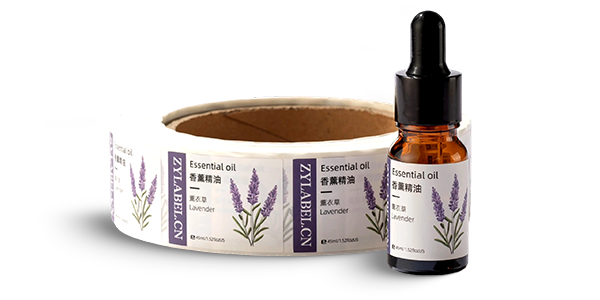
Do you constantly fight smudged ink on essential oil bottles and yellow, peeling edges on liquid soap labels? Wrong label substrates break down fast when exposed to plant solvents and soap surfactants. Waterproof and Oil-Resistant Labels stand as a non-negotiable upgrade for liquid cosmetic packaging. Many packaging buyers only judge labels by printing clarity. They overlook high-performance options like BOPP label essential oil and Synthetic paper for cosmetics, which lead to expensive mass packaging waste down the line. With years of custom sticker manufacturing experience, Shengcai sorts practical material rules from real failed projects. These solutions permanently fix common water and oil damage issues on daily chemical product labels.
Most procurement teams test label samples with basic coated paper first. Field tests show essential oils contain dissolvable terpene compounds. Combined with steady bathroom condensation and built-up soap residue on bottle walls, plain paper absorbs moisture and splits from adhesive layers within months. Sharp printing fades quickly on store shelves and drags down brand value. Durable labels for liquid skincare products rely on three locked-in protections: proper substrate, protective lamination and specialty adhesive. A weak link in any part creates visible defects for end buyers.
2026 Field Test Chart: Waterproof & Oil Resistant Performance for Essential Oil and Liquid Soap Label Substrates
We run three real-world tests: long-term oil soaking, repeated wet wiping and continuous bottle squeezing to finalize material selection guidance.
| Substrate | Long-Term Waterproof Performance | Oil & Solvent Resistance | Deformation Resistance | Best End Use |
|---|---|---|---|---|
| Coated Art Paper | Absorbs water instantly, wrinkles in 2 weeks under humidity | Very poor, ink melts immediately on essential oil contact | Breaks sharply after bending, cannot flex with bottles | Only outer carton tags, never direct bottle application |
| White/Clear BOPP Film | Blocks full moisture penetration, holds shape in high heat and humidity | Strong, resists constant damage from essential oils, alcohol and soap | Medium, sits flat perfectly on rigid glass bottles | Mainstream material for glass essential oil bottles, proven BOPP label essential oil formula |
| Cosmetic-Grade Synthetic Paper | No swelling, bubbling or delamination after long water immersion | Great, slows gradual grease penetration from skincare formulas | Good, rebounds well after mild squeezing without cracks | Premium aromatherapy oils, baby-safe liquid soap, top-tier Synthetic paper for cosmetics |
| Flexible PE Film | Top-tier hydrophobic effect, no water spots left by condensed droplets | Moderate, tiny oil seepage only after heavy long-term grease buildup | Excellent, stretches freely with repeated squeeze pump movements | Large refill bottles for squeezable liquid soap, standard liquid soap packaging labels |
| PVC Vinyl Film | Stable long-term waterproof performance | Top chemical resistance, qualified as chemical resistant label | No hardening or brittleness in low temperatures, strong flexibility | High-strength cleansing soap and highly irritant cosmetic formulas |
The table delivers clear conclusions. Cross coated paper off your list for any bottle-mounted labels touching liquid formulas. Many brands pick cheap coated paper to cut per-unit label costs. They later pay far more for rework, discarded stock and relabeling labor. Standard essential oil lines balance budget and protection with BOPP film. Premium product lines step up to synthetic paper for long shelf-life visual quality. Soft squeeze pump liquid soap works best with stretchable PE film.
Choosing the right substrate only finishes half the work. Post-print surface finishing decides total label lifespan, a step many clients cut to save small costs.
Labels finished with single-layer UV varnish carry low upfront cost but weak defense. Thin UV coating cannot stop slow penetration from natural solvents inside essential oils. Ink fades and patches blur after months of warehouse transit, so this method only fits outer boxes with zero oil contact.
Shengcai applies full BOPP or PET film lamination for nearly all essential oil label orders. The full wrap creates a sealed physical barrier that locks moisture, grease and organic solvents away from printed graphics. Consumers can wipe bottle surfaces with damp cloths repeatedly without ruining label art. Matte lamination also reduces harsh glass glare and elevates the premium vibe of aromatherapy goods. Worry about thick lamination causing air bubbles? Control film weight and fully remove release agents from bottle surfaces before labeling, and the issue disappears entirely.
Adhesive hidden on the label back causes most unexplained yellowing and edge curling, a detail most people ignore.
Generic water-based emulsion glue breaks down quickly in steamy, oily bathroom environments. It loses grip fast and triggers curled label corners. Solvent-based acrylic adhesive serves as the reliable alternative for long-lasting personal care use. Its stable chemical structure resists breakdown from essential oil ingredients and soap surfactants. It sticks firmly to glass, HDPE plastic and rigid PET containers and stays smooth through months of daily use. For clients needing residue-free clean peeling, we tweak the balance of initial tack and holding power for dual performance.
Frequently Asked Questions
Q: Why do liquid soap labels turn yellow at edges and peel off after short use?
At least one critical setting fails: unlaminated paper stock, low-quality oil-sensitive water-based glue or non-solvent-proof ink. Grease seeps under label edges and deteriorates adhesive structure. Warm, humid bathroom conditions speed up this aging process drastically.
Q: How to apply matte clear BOPP labels on essential oil glass bottles bubble-free while keeping strong oil resistance?
Select low-shrink matte BOPP base film and complete corona treatment before printing. Wipe all release agent and oil residue off glass containers before application. Pair low-tack solvent acrylic glue plus thin matte PET top lamination. Label in dry, constant-temperature surroundings to minimize trapped air bubbles.
Q: What reinforced upgrades fit labels for highly corrosive soap formulas?
Switch to professional chemical resistant label PVC vinyl substrate. Add double thick PET lamination, solvent-resistant custom ink and heavy-duty solvent acrylic adhesive. This full package withstands long-term erosion from high-activity cleaning ingredients.
Hidden packaging losses rarely show up in early budgeting stages. Reasonable investment in label materials and finishing locks in stable product appearance through warehouse storage, retail shelf display and long-term consumer use. You avoid expensive mass defective goods later on. Reach out directly to Shengcai if you need durable custom self-adhesive labels for essential oil and liquid soap ranges. We tailor substrates, lamination methods and adhesive types according to formula corrosivity, bottle material and storage temperature ranges. Our customized Waterproof and Oil-Resistant Labels packages eliminate water and oil failure risks from the material source.