


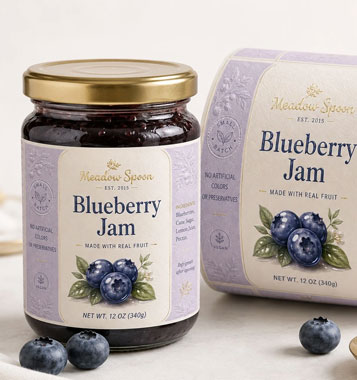
Why Your Beautiful Export Labels Arrive Looking Worn Out
You spent months perfecting your product packaging, dialed in the brand colors, and shipped containers across the ocean. Then comes the email from your overseas buyer: Product rejected due to label scuffing.
It’s every exporter’s nightmare. Standard coated paper labels (also known as art paper labels) are prized in the packaging industry for their smooth finish, exceptional ink absorption, and budget-friendly price point. However, their top coating lacks high mechanical shear strength.
When your cartons travel thousands of miles via ocean freighters or bumpy truck routes, constant micro-vibrations cause surface-to-surface friction between labels or against carton packaging. This friction strips the top ink layer and leaves unsightly white scratch marks across your logo and bar codes.
- Process Failure Chain: Micro-vibrations in Transit ➔ Surface Friction ➔ Ink Layer Shear Failure ➔ White Scuff Marks
The Heavy Price of Scuffed Labels
- Mass Supermarket & Distributor Rejections: Retailers like Walmart or Target automatically flag and refuse shipments with scuffed barcodes or damaged branding.
- Brand Equity Collapse: Damaged labels signal cheap quality before the customer even tries the product.
- Nightmarish Relabeling Costs: Paying local overseas crews to unpack, scrape off, and manually re-apply labels costs 5x to 10x the original printing budget.
The Label Protection Ladder: From Quick Fixes to Bulletproof Solutions
To solve art paper label scratch fixes effectively, you don’t always need the most expensive option—you need the right level of defense for your supply chain.
| Protection Level | Solution Type | Scratch Resistance | Cost Impact | Ideal Use Case |
| Level 1: Varnish | Water-based / UV Varnish | Low to Medium | +5% – 10% | Domestic short-haul, low friction |
| Level 2: Film Lamination | Gloss / Matte / Soft-Touch | High | +15% – 25% | Export ocean freight, high-end packaging |
| Level 3: Material Upgrade | Synthetic Paper / BOPP | Extreme (Indestructible) | +40% – 70% | Harsh environments, moisture + heavy friction |
Level 1: Surface Varnishing (Budget-Friendly Protection)
- Water-based Varnish: Applies a thin protective seal. Great for preventing mild ink rub during light handling, but fails under heavy ocean transit friction.
- UV Varnish: Cured with ultraviolet light, creating a harder shell with high gloss. Excellent for short-haul shipments, though heavy vibration can still micro-scratch the surface.
Level 2: Film Lamination (The Export Standard)
If you want to keep using coated paper label lamination for durability, applying a film layer creates an impenetrable physical barrier over the ink.
- Gloss Lamination: Enhances color vibrancy and offers excellent rub resistance.
- Matte Lamination: Provides a premium, non-glare look with strong anti-scuff properties.
- RCA Rub Test Performance: Laminated coated paper easily survives 50+ cycles on an RCA abrasion tester, whereas standard varnished paper fails under 10 cycles.
Level 3: Material Shift (The Ultimate Defense)
When paper simply isn’t enough, switch from art paper to film-based substrates:
- BOPP (Biaxially Oriented Polypropylene): Waterproof, tear-proof, and virtually scratch-immune.
- Synthetic Paper: Offers a paper-like feel with plastic-grade durability.
Smart Packaging Hacks to Eliminate Label Friction
Preventing label damage isn’t just about printing; it’s about structural design and smart packing.
- Design a “Safe Zone” (Recessed Groove Structure): Ensure your bottle or container design features a slight recessed area where the label sits below the outer wall rim. This guarantees that adjacent products won’t touch the label face during transit vibration.
- Tighten Internal Packaging: Loose products inside a shipping box equal high friction. Use custom grid dividers, tight-fit thermoformed trays, or soft interleave paper to stop items from sliding.
- Use Non-Abrasive Liners: Avoid rough corrugated cardboard directly contacting exposed label faces.
Real Win: How a Cosmetics Exporter Cut Label Complaints by 90%
Case Study: A cosmetics manufacturer exporting mascara to Western Europe was hitting a 12% rejection rate due to scuffed black labels on their outer boxes.
The Old Setup: Standard art paper labels with a basic UV varnish.
The Pivot: Instead of upgrading to expensive synthetic plastic labels across their entire line, they switched to matte-laminated coated paper labels and added thin sponge inserts inside the master cartons.
The Result: Total package volume remained identical, label production costs rose by less than $0.02 per unit, and scuff-related complaints dropped by over 90% on their next ocean shipment.
Frequently Asked Questions
Can I use spot UV to protect specific parts of the design?
Spot UV is fantastic for highlighting logos, but it isn’t designed for full-surface anti-scuff protection. Friction can still strip the untreated surrounding ink. Use full-surface lamination for transit protection.
Will film lamination cause the label edges to curl?
Label curling (edge lift) typically happens due to mismatched tension during the lamination process or using the wrong adhesive for curved containers. Working with experienced label printers ensures the right face-stock and glue pairing.
How do I protect labels if my client demands 100% eco-friendly, plastic-free packaging?
If plastic lamination is banned by your buyer, opt for a heavy-duty anti-scuff water-based varnish combined with tight-fitting paper dividers inside the shipping carton to eliminate motion altogether.
Ready to Fix Your Label Scuffing Issues?
Protecting your brand’s reputation during export shouldn’t feel like a guessing game. Whether you need to optimize your art paper label scratch fix, test BOPP vs paper label scratch resistance, or upgrade your export packaging matrix, small tweaks in material selection save tens of thousands in rejected stock.
Need expert guidance on export-ready labels? Contact our technical packaging team today to request free sample swatches and run an anti-scuff lab test on your current label designs!